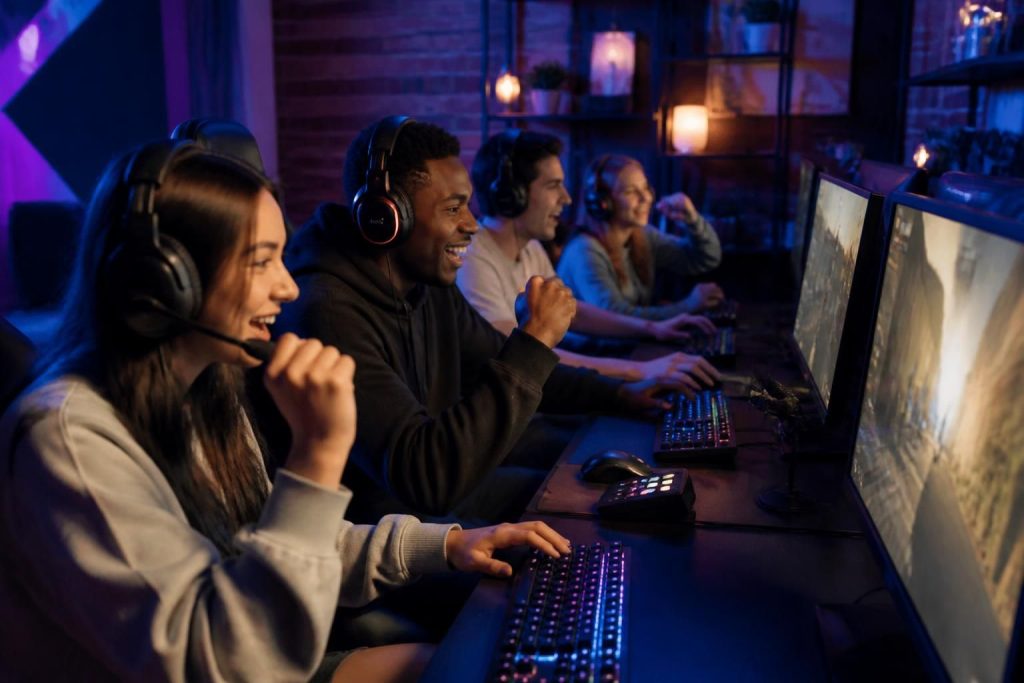
The online gaming community and fan culture have evolved into a vibrant ecosystem, fueled by engagement and interaction across various platforms and genres. As players come together, whether for cooperative gameplay, competitive esports, or shared interests in game lore, they create a rich tapestry of experiences that transcend the games themselves. This article explores the dynamics of this community, spotlighting its collaborative nature, the role of social media, and the influence of fan-driven content.
Building Connections Through Cooperative Gameplay
One of the most compelling aspects of the online gaming community is its capacity for fostering connections among players through cooperative gameplay. Games that emphasize teamwork—such as massively multiplayer online games (MMOs) and cooperative shooters—serve as platforms where friendships can blossom. Players often rely on each other’s skills and collaborate to achieve common goals, creating a sense of camaraderie that extends beyond in-game achievements.
Titles like “World of Warcraft” and “Destiny 2” demonstrate how in-game challenges can unite people from different backgrounds. Guilds, clans, and teams form around shared objectives, and these groups often maintain connections through outside applications, like Discord. The community thrives not just on the game mechanics, but on the relationships built through them. As players strategize and celebrate victories together, they form a network of support and friendship that is integral to the gaming experience.
The Role of Social Media in Fostering Fan Engagement
Social media platforms have become essential tools for the online gaming community and fan culture, enabling fans to share experiences, seek advice, and participate in discussions. Platforms like Twitter, Reddit, and Twitch allow players to express their thoughts on game updates, showcase their skills, and even critique game design decisions. These discussions create a vibrant dialogue around gaming, which not only engages current players but also attracts newcomers.
Streaming services, particularly Twitch and YouTube, have revolutionized how fans engage with games and their creators. Streamers and content creators often become community figures, with fans rallying around them for entertainment, education, and inspiration. The rise of “Let’s Play” videos and tutorials empowers players to learn from one another, further strengthening community bonds. Moreover, major gaming events, such as game reveals or esports tournaments, are frequently live-streamed, drawing massive audiences that unite fans in shared experiences.
Fan Culture: From Art to Merchandise
The creativity of the online gaming community is vividly expressed through fan culture, which encompasses everything from fan art and cosplay to merchandise and fan fiction. Players often create and share their artistic interpretations of characters and game worlds, showcasing their passion and dedication. This creative output not only celebrates the source material but also enriches the community by providing new ways for individuals to express their love for games.
Merchandise also plays a significant role in fan culture. Collectibles, clothing, and art inspired by popular games are sought after by fans, allowing them to showcase their enthusiasm in tangible ways. Events like conventions give fans opportunities to meet creators and fellow enthusiasts, further solidifying the bonds formed within the gaming community. Such gatherings highlight the importance of face-to-face interactions, as fans connect over shared interests and experiences that transcend the digital world.
Additionally, fan-driven initiatives often contribute to community engagement. Non-profit charities, such as those raised through gaming marathons, leverage the passion of the community for fundraising efforts. These initiatives demonstrate how fan culture can foster positive change, united by a common goal far beyond gaming. For more on this topic, see PGSLOT.
The Impact of Esports on Community Interaction
Esports has emerged as a significant force within the online gaming community, creating a dynamic environment where fan engagement takes on new dimensions. Competitive gaming attracts huge audiences, both online and in-person, prompting fans to rally around their favorite teams and players. The adrenaline of competition fosters loyalty and enhances community interaction, as fans cheer for their favorites and discuss strategies across various platforms.
Major tournaments, such as The International for “Dota 2” or the League of Legends World Championship, are more than just competitive events; they are celebrations of the gaming culture. Fans engage in discussions on forums, create watch parties, and even participate in fantasy leagues, which further enrich their connection to the games. The professionalization of esports has elevated player status to celebrity levels, prompting fans to engage with players both in and out of the gaming context, thus enhancing the community experience.
Community Feedback Shaping Game Development
The online gaming community and fan culture not only thrive on engagement but also significantly influence game development. Developers increasingly rely on fan feedback to enhance gameplay, fix bugs, and introduce new features. This symbiotic relationship allows players to feel invested in the titles they play and fosters a sense of ownership over the gaming experience.
For instance, many developers host beta testing periods and solicit community input before a game’s official release. This approach allows fans to contribute suggestions and voice concerns, ultimately leading to a more polished product. Communities also rally around games in the form of modding, creating content that can significantly alter or expand gameplay. Games like “Minecraft” and “Skyrim” have extensive modding communities that enrich the original titles and demonstrate the impact of fan creativity.
Furthermore, crowdfunding platforms can empower fan-driven projects, allowing communities to financially support initiatives that align with their interests. This trend not only reinforces community bonds but can lead to innovative gaming experiences that might not have emerged through traditional development channels. The involvement of fans in the creative process reflects a shift towards a more collaborative gaming environment.
As fan culture continues to evolve, the lines between developers and players blur, creating a unique bond that enhances the overall gaming experience.
In conclusion, the online gaming community and fan culture are marked by deep engagement that shapes the way players interact and experience games. From cooperative gameplay to dynamic social media interactions, artistic expressions, and the influence of esports, the community thrives on collaboration and shared interests. As this culture continues to grow, it will undoubtedly lead to further innovations in gaming, driven by the passion and creativity of its members. Whether through competitive play, artistic endeavors, or community feedback, the strength of this ecosystem demonstrates a remarkable, evolving facet of modern entertainment.